Enterprise versus affordable AI visibility tools, and what the difference buys
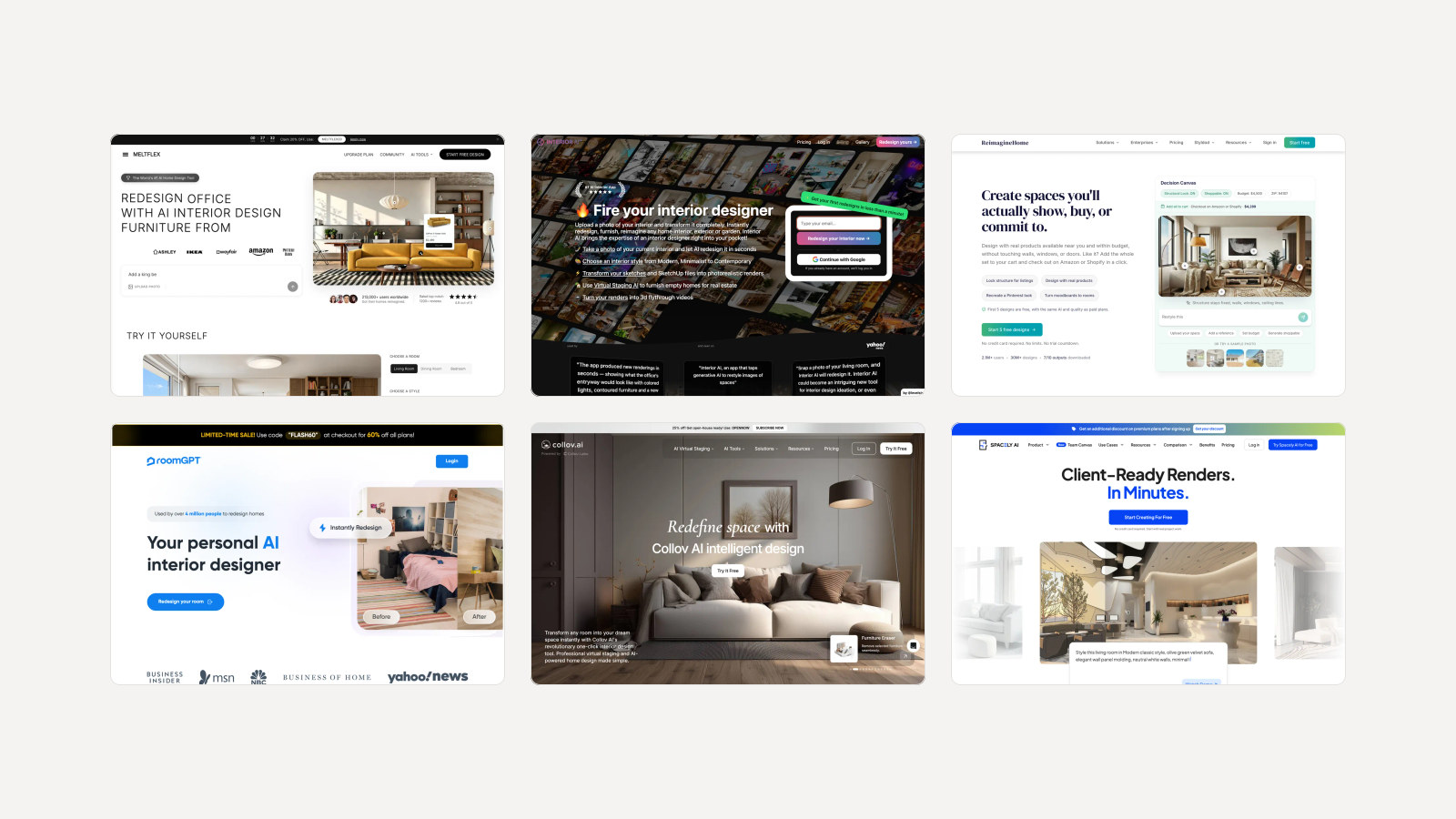
The best known product in this category has the worst entry tier in it. Profound's $99 plan tracks ChatGPT only and gives you one seat. Otterly's 29 euro plan tracks four engines and gives you unlimited seats. Every published price in the category, read and photographed on one afternoon.

The gap between the cheapest AI visibility tool and the most expensive one is roughly a hundred times, and almost none of that is spent on answering the question better. What you buy going up the ladder is more prompts, more engines, more seats, a security questionnaire your procurement team will accept, and eventually a person who knows your account. The measurement underneath is broadly the same at every tier: ask a model some questions, count how often you come back.
Our articles are still written by humans!
Get human written articles in your Google feed.
The whole ladder, priced
Every figure below was read on the vendor's own page on 8 September 2026. Currency is whatever the vendor quotes.
| Tool and tier | Price | Prompts | Engines | Seats |
|---|---|---|---|---|
| Otterly Lite | 29 euros / month | 15 | 4 | Unlimited |
| Peec Starter | 70 euros / month | 50 | 3 of your choice | Unlimited |
| Profound Starter | $99 / month | 50 | 1, ChatGPT only | 1 |
| Semrush AI Visibility Toolkit | $99 / month | 25 a day, 1 domain | Not specified | Add-on to Semrush |
| Peec Pro | 180 euros / month | 150 | 3 of your choice | Unlimited |
| Otterly Standard | 189 euros / month | 100 | 4 | Unlimited |
| Scrunch Core | $250 / month | 125 | 4 | 5 |
| Peec Advanced | 360 euros / month | 350 | 3 of your choice | Unlimited |
| Profound Growth | $399 / month | 100 | 3 | 3 |
| Otterly Premium | 489 euros / month | 400 | 4 | Unlimited |
| Evertune Pro | $800 / month | 100,000 | 11 | Not stated |
| Otterly Enterprise | From 1,000 euros / month | Custom | 4 | Unlimited |
| Scrunch Enterprise | Custom | Custom | 9 | Custom |
| Profound Enterprise | Custom | Custom | Up to 9 | Custom |
| Peec Enterprise | Custom | Custom | All models | Unlimited |
| Evertune Enterprise | Custom | Custom | Not stated | Not stated |
Read down the price column and then read across, because the interesting thing about that table is how badly the two correlate. There are three products between 250 and 400 dollars a month offering between 100 and 350 prompts, and one at 800 offering a hundred thousand. There is a 29 euro plan with more engine coverage than a 99 dollar one. Nothing in this category is priced against a shared unit, which is the single most useful thing to understand before you compare quotes.
The $99 tier that buys less than the 29 euro one

Profound is the most visible company in this category, the one with the venture funding and the conference stand, and its entry plan is the weakest thing on this page. Ninety nine dollars a month buys ChatGPT tracking only, fifty prompts and a single seat. If the question you are asking is whether your business shows up when somebody uses an assistant, that plan answers it for one assistant, for one person in your company, and leaves Perplexity, Gemini, Copilot and Google's AI Overviews entirely unmeasured.

Twenty nine euros at Otterly buys four engines, ChatGPT, Google AI Overviews, Perplexity and Copilot, and unlimited team members. It buys fifteen prompts rather than fifty, and that is a real limit we come back to below. But for a single location business with one service line, fifteen well chosen prompts across four engines tells you more than fifty prompts against one engine, because the thing you are trying to find out is whether you appear in AI answers, not whether you appear in one company's AI answers.
A prompt is not a unit

Evertune's Pro plan is $800 a month for 100,000 prompts tracked across 11 AI models. Profound's Growth plan is $399 a month for 100 prompts across 3. Two products in the same category, one costing twice the other, with a thousandfold difference in the headline number. Both are telling the truth. They are not describing the same thing.
A tracked prompt at Otterly or Profound is a question you wrote, asked on a schedule, with the answers stored so you can watch a trend. A hundred of those is a serious research programme and most businesses never fill the allowance. A prompt in Evertune's sense is closer to a sampling unit: the product is built to model how a category behaves across many phrasings, which is a different job and needs volume to do it. Dividing price by prompts to compare the two produces a number with no meaning, and you will see that number in comparison articles.
The practical rule is to compare within a use case rather than across the table. If you want to know whether one business appears for the questions its customers actually ask, you are shopping in the 15 to 400 prompt band and the engine count is the variable that matters. If you want to know how an entire category is described by models, you are shopping for a different product and the price ladder above is not the one you are on.
What enterprise actually adds

Scrunch prints the two columns next to each other and the difference is unusually legible. Core at $250 gives you 125 prompts, five site audits a month, one brand workspace, five user licences and four models. Enterprise gives you a custom number of prompts, an agent experience platform, complete site audits, custom workspaces and licences, API access and integrations, expanded model coverage to nine, single sign on with SAML and OIDC, and a dedicated account team.
- More engines. Four to nine at Scrunch, one to nine at Profound. This is the only item on the list that changes what you can measure rather than how you administer it.
- Single sign on, SAML or OIDC. Not a feature anybody wants. A requirement your IT department imposes, and the reason a 400 dollar tool cannot be bought by a company over a certain size.
- SOC 2 compliance. Same category. It exists so that your vendor review can be completed, and it is genuinely expensive to maintain, which is part of why the tier costs what it does.
- API access. The one enterprise feature a small team might genuinely want, because it is what lets the numbers land in a dashboard somebody already looks at rather than a dashboard nobody opens.
- A named human. A dedicated account team, a Slack channel, custom onboarding. Worth a great deal if the tool is load bearing for someone's quarterly target, and worth nothing if it is not.
Notice what is absent from every enterprise column in this category: any claim that the measurement is more accurate. Nobody is selling a better answer to the question. They are selling the same answer to more people, about more engines, through more integrations, with a contract your legal team will sign. That is a legitimate product and it is not what most readers of this page are shopping for.
The prices that are still not published

Peec is the correction we owe our own earlier article. Our piece on AI visibility tools for small business records Peec as not publishing prices, four tiers, six models, and says you will have to ask them. As of today it publishes 70, 180 and 360 euros a month for Starter, Pro and Advanced, with prompt allowances of 50, 150 and 350, unlimited users on every tier, and three models of your choice rather than six. Only Enterprise is quote only, and only Enterprise gives you the full model list.
That is worth more than a correction. A vendor moving from quote only to published pricing inside a month is a signal about where the category is going, and the direction is towards the buyer. What is still quote only is the genuinely enterprise end: Brandlight sells to scope with no public tiers, and Conductor has never published a figure. Third party reporting puts Conductor's annual contracts in the tens of thousands and Profound's enterprise deployments in the low thousands a month, and we are repeating that rather than confirming it, because neither company will tell you and we have not been quoted.
Where the ladder stops mattering
Below about 500 euros a month, the products converge to the point where price is not the deciding factor. They all ask models a list of questions on a schedule and count mentions. The variable that actually determines whether the money was well spent is not in any pricing table: it is whether the prompts are the questions your customers ask.
Fifteen prompts that match real buying questions in your town beat four hundred generic ones about your industry, and no tool will write the fifteen for you. This is where the cheap tier stops being a compromise. If you can only think of twelve questions a customer would genuinely type, Otterly's Lite plan is not a limitation, it is the correct size, and the four hundred prompt tier would sit three quarters empty at seventeen times the price.
It is also worth being clear about what none of them measure, which we set out at more length in AI visibility tools for small business. They tell you whether you were mentioned. They do not tell you whether anybody acted on it, because the assistant does not pass a referrer the way a search engine does. Anyone selling you attribution in this category is selling you a model of attribution, and it is worth asking which one before you pay for the tier that includes it.
A note on what you are actually shopping for
One query that brings people to pages like this is the price of a social listening tool rather than an AI visibility tool, and they are not the same product. Social listening watches what people say about you on social platforms and in the press. AI visibility watches what models say about you when somebody asks. A listening platform will not tell you whether ChatGPT recommends you, and a visibility tracker will not tell you that a customer complained on Reddit on Tuesday. The vocabulary overlaps badly and the budgets get spent in the wrong place because of it.
If what you actually want is to be the answer rather than to measure whether you are, the measuring tools are the wrong purchase at any tier, and how to get your business to show up in ChatGPT is the work itself. Social media SEO for small business covers the same ground from the other end.
What we would actually do
For a business with one location and one service line, start free, then Otterly Lite at 29 euros if you want a trend line rather than a snapshot. Fifteen prompts is enough and the four engines matter more than the prompt count at your size. Do not buy Profound's Starter tier: for three times the price it measures one engine.
For a marketing team of three to ten with someone whose job includes this, Peec Pro at 180 euros or Otterly Standard at 189 are the two sensible seats at the table, and unlimited users on both is worth more than it looks when the report needs to reach people who will never log in. Profound Growth at $399 is the choice if you specifically want the deepest product and have someone to open it daily.
Above that, you are buying procurement compliance and a human being, and you will know whether you need those without an article telling you. If your IT department has ever sent you a vendor security questionnaire, you are in the enterprise band whether or not your budget agrees.
And the honest version of the question behind all of this: for a small business, the case for paying anything at all is weaker than the category's marketing suggests. We work through it in is AI social media worth it for a small business, and the same logic applies here. If a hundred and eighty euros a month is a real decision for you, that money spent on actually publishing will move the number the tools measure, while the tools will only tell you it has not moved. Measuring is not doing, and the tools in this table are all measurement. If you are weighing this against a person, what social media management costs is the comparison that puts these figures in proportion, and the free tiers are worth exhausting first.
Frequently asked questions
How much does an AI visibility platform cost?
Published self-serve pricing runs from 29 euros a month at the bottom to $800 a month at the top, with most products clustered between 70 and 500. Otterly starts at 29 euros, Peec at 70 euros, Profound and Semrush at $99, Scrunch at $250, and Evertune at $800. Above that, enterprise tiers are quote only at every vendor, and third party reporting puts them in the low thousands a month.
What is the difference between enterprise and affordable AI visibility tools?
Mostly volume and administration rather than accuracy. Going up the tiers buys more tracked prompts, more AI engines covered, more user seats, single sign on with SAML or OIDC, SOC 2 compliance, API access and a named account team. No vendor claims that its enterprise tier measures visibility more accurately than its cheap one, because the underlying method is the same: ask models a list of questions on a schedule and count the mentions.
Which AI visibility tool is cheapest?
Otterly's Lite plan at 29 euros a month, which tracks 15 prompts across ChatGPT, Google AI Overviews, Perplexity and Copilot with unlimited team members. Before paying anything, Ahrefs offers a free AI visibility check that gives you a one-off snapshot across several engines, which is enough to find out whether you have a problem worth measuring monthly.
Is Profound worth it compared to cheaper tools?
Its Growth tier at $399 is a serious product for a marketing team with someone whose job includes this. Its Starter tier at $99 is poor value: it tracks ChatGPT only and gives you one seat, while Otterly at 29 euros tracks four engines with unlimited seats. If you are considering Profound at the entry level, you are comparing the weakest plan of an enterprise product against the flagship plan of a small business one.
Why do prompt allowances vary so much between tools?
Because a prompt does not mean the same thing at each vendor. Evertune's $800 plan includes 100,000 prompts across 11 models, while Profound's $399 plan includes 100 across 3. The first is a sampling budget for modelling how a whole category is described, the second is a list of specific questions tracked over time. Dividing price by prompt count to compare the two produces a meaningless number.
Is it worth paying for an AI visibility tool or can I track it manually?
Manually is genuinely viable at small scale. Write down the twenty questions a customer would actually ask, put them through the assistants once a month, and record whether you appear. That costs an hour and answers the same question the 29 euro tools answer, minus the daily trend line and the alerting. Paying starts to make sense when somebody is accountable for the number, when you need more engines than you will check by hand, or when the report has to reach people who will not do it themselves.
Do AI visibility tools tell you whether mentions bring customers?
No, and this is the limit worth understanding before choosing a tier. Assistants do not pass referrer data the way a search engine does, so no tool in this category can connect a mention to a sale directly. What the more expensive tiers offer is a model of attribution rather than a measurement of it, and it is worth asking any vendor which model before paying for the plan that includes it.
Is social listening the same as AI visibility?
No. Social listening watches what people say about you on social platforms and in the press. AI visibility watches what language models say about you when a user asks them a question. The two categories use overlapping vocabulary and are frequently confused when budgets are set, but a listening platform will not tell you whether ChatGPT recommends you and a visibility tracker will not surface a complaint on Reddit.
How we researched this
- Every price on this page was read off the vendor's own pricing page on 8 September 2026 and photographed there, using the same capture script we built for the terms of service article. Nothing here is taken from a review site, and that turned out to matter more than we expected.
- It matters because this category reprices constantly and the secondary sources are wrong. Checking Scrunch through a summarising fetch first returned a Starter and a Growth tier at 350 and 700 prompts across six models. The pricing page has no Growth tier. It has Core at $250 with 125 prompts and four models, and an Enterprise column. Had we not photographed it, a confident and completely invented tier structure would have gone into the table below.
- The same check corrected our own earlier article. Our piece on AI visibility tools for small business says Peec AI does not publish prices. Peec publishes four tiers with figures on them now. That article also gives Otterly in dollars, and Otterly prices in euros. Both are corrected here and the older piece is being updated to match.
- What is compared is what each vendor publishes. We have not run five subscriptions side by side for a month against the same brand, and any article claiming to have done that for tools at this price is worth reading sceptically. Feature counts, engine counts and prompt allowances are the vendors' own claims about themselves.
- Prices are shown in the currency each vendor quotes, which is euros for the two European products and dollars for the three American ones. We have not converted them, because a conversion invents a precision that the exchange rate takes away again by the time you read this.
- One tool in the table is priced as an add-on to a subscription you may not have. Where an all-in figure would depend on which base plan you are on, we say so rather than printing a number that is true for one reader in ten.
Sources