How the AI learns your brand voice
Before it writes a single post, a good AI social media tool reads your world. Here is what it looks at, and why it still needs you.
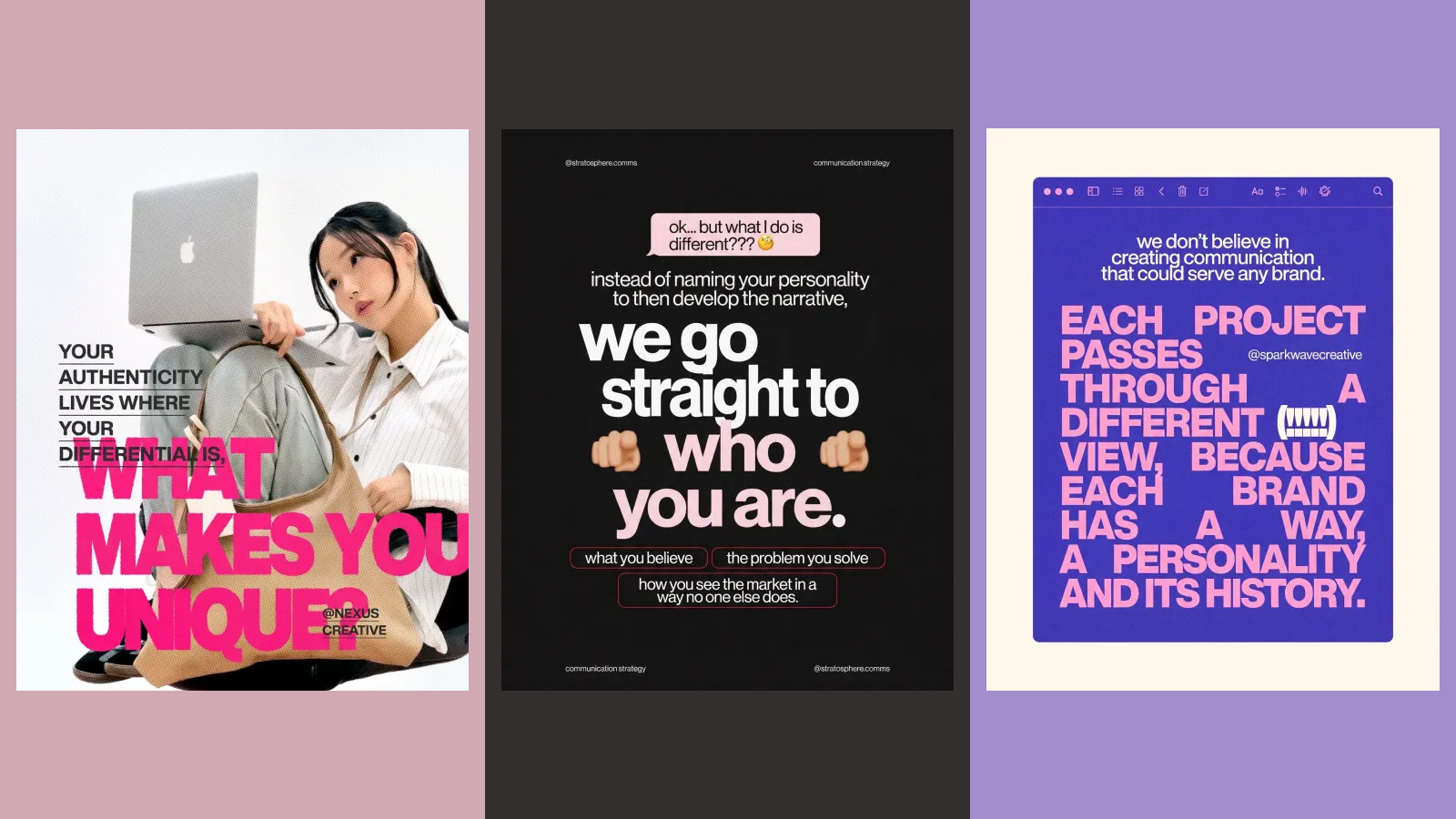
Before it writes a single post, a good AI social media tool reads your world. It looks at your website, the way you describe what you do, the offers you run, and the words you keep coming back to. Doing the same thing by hand means writing a brand brief and pasting it above every prompt, which is prompt one here.
Our articles are still written by humans!
Get human written articles in your Google feed.
What it looks at
- Your homepage and your about page
- Your product and service pages
- Your existing captions, if you connect a profile
- The tone you set during onboarding

From all of that it builds a short profile of your voice. Warm or direct. Playful or calm. Full of detail or short and to the point.
Why it still needs you
The profile gets you most of the way there. The last stretch is you, refining a caption in plain language and approving what feels right. Every time you do that, it learns a little more about how you actually sound.

If you would rather write the profile yourself than have it inferred, that is a genuinely good idea and it takes an afternoon. We have set out the structure we use, section by section, in how to write a brand voice guide. The part it gets you that inference cannot is the list of words you would never use, which is the most useful page in the document.
Frequently asked questions
Does the AI copy my old posts?
No. It learns your tone and writes fresh content. It does not repeat what you already published.
How we researched this
- This describes how our own pipeline works, written by the person who built it. It is not a survey of how every tool in the category does this, and where a competitor works differently we would not know.
- Nothing here is a claim about accuracy. We have deliberately not written a percentage for how often the voice comes out right, because we have no measurement of that we would defend in public, and an invented one would be worse than silence.
- The limits section is the honest half of the article. A tool that reads a website cannot know what happened in your shop last week, and no amount of engineering on our side changes that.