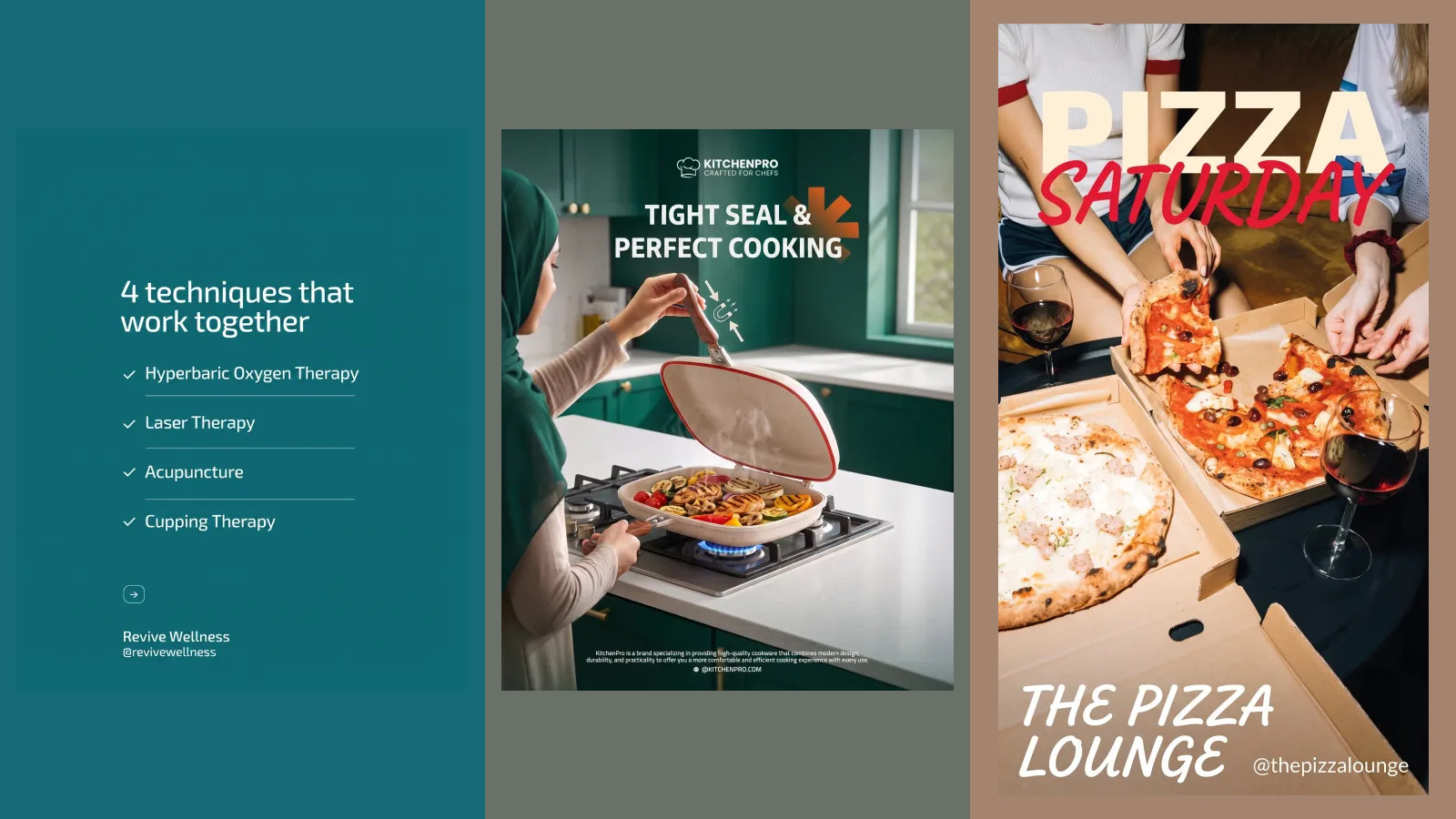
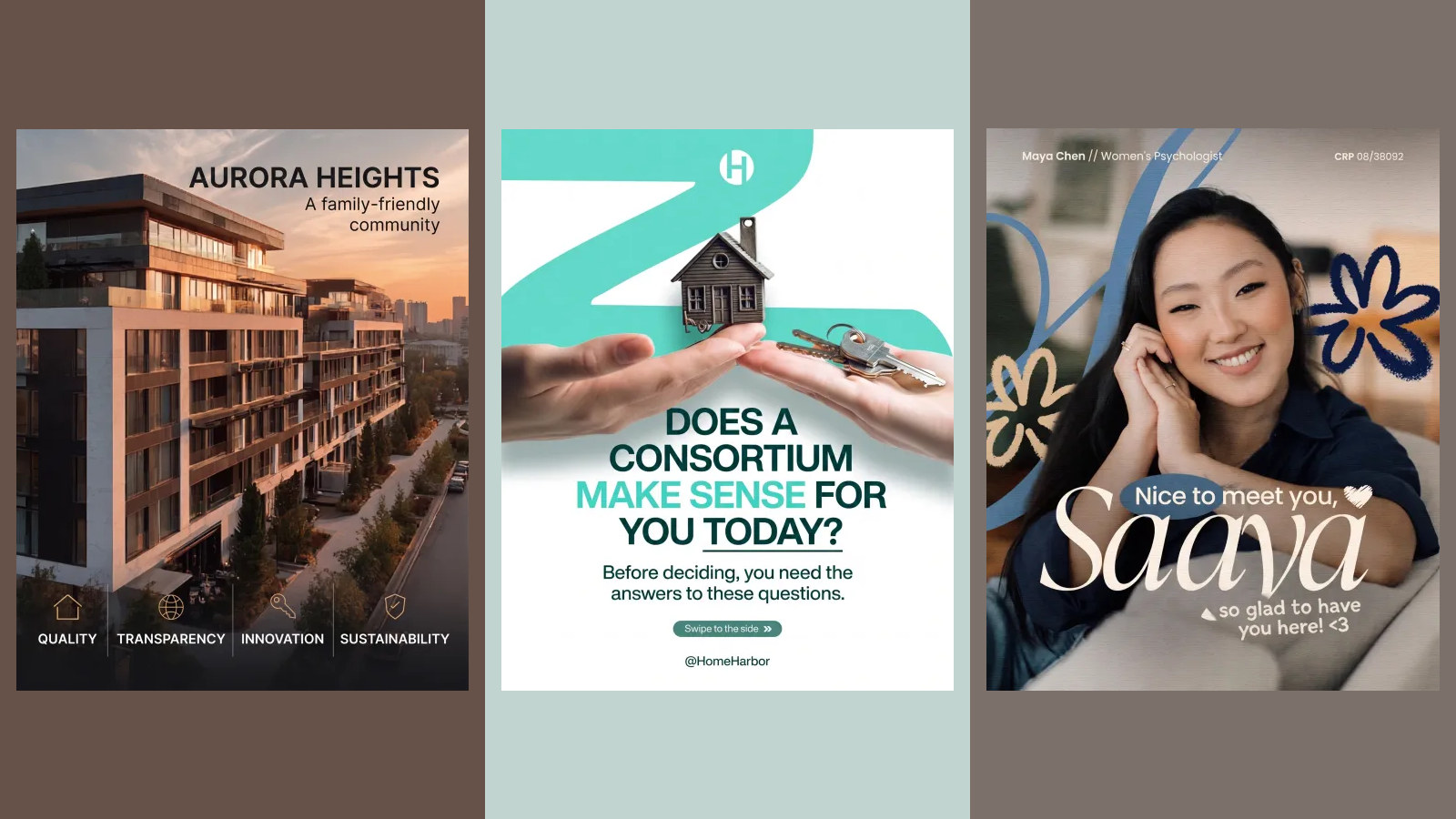
Social media for restaurants: the six posts that fill tables, and the six that fill a feed
Restaurants have the easiest material on social media and post the least of it. What to post from the pass, the floor and the book, what needs a diner's permission, what a free meal to a reviewer legally is, and why the reel of the pour is not the post that fills a Tuesday.
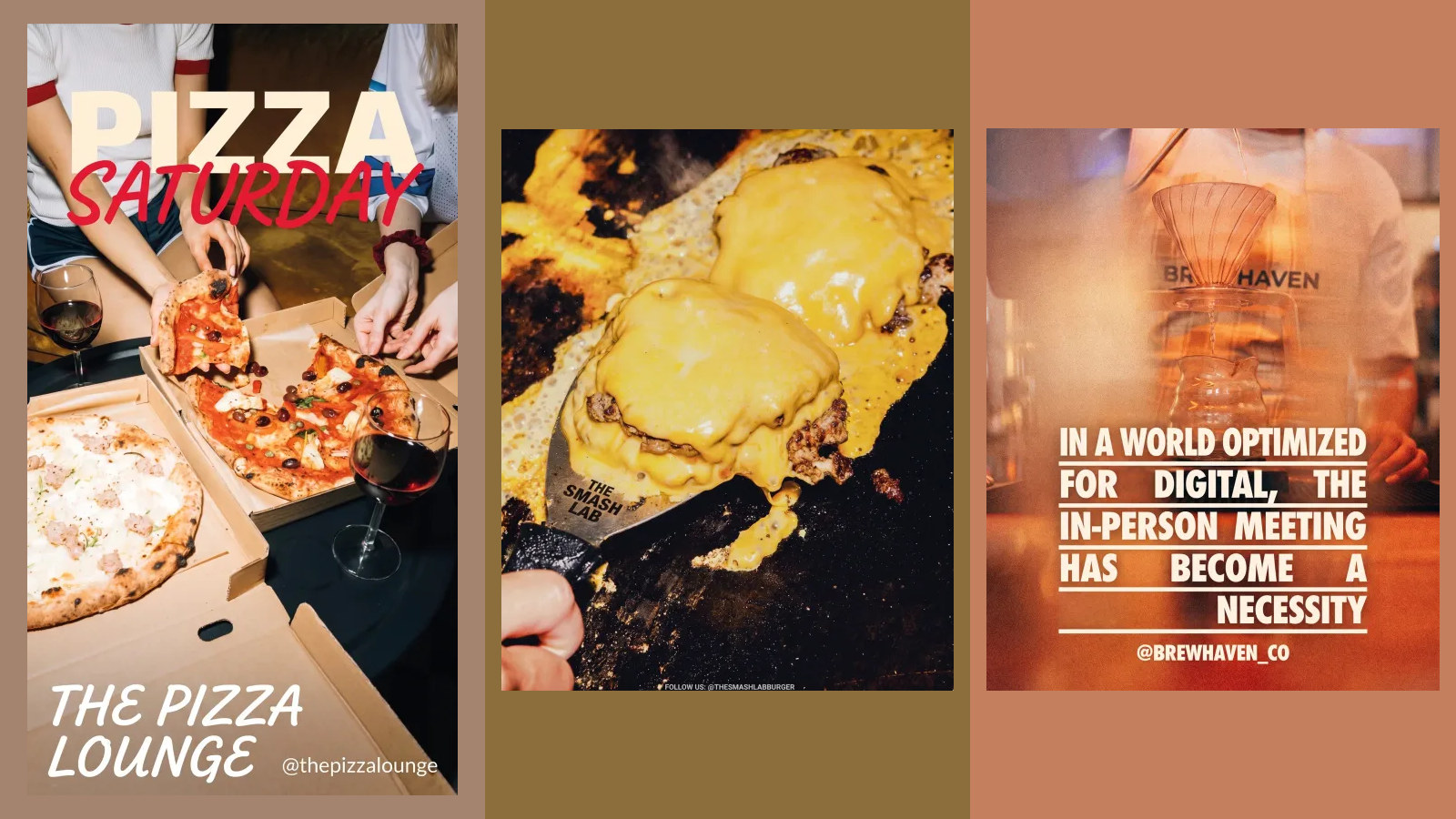
A restaurant has the best raw material of any local business. Food photographs well, the room photographs well, the people are interesting, something new happens every service, and the customer's decision is about tonight rather than next quarter. And yet the typical small restaurant feed is a reel of a cocktail being poured, a repost of a customer's photograph, and a fortnight of silence. This article is about closing that gap without hiring anyone: what to post from the pass, the floor and the book, what needs a diner's permission, what a free meal to a reviewer legally is, and the six posts every restaurant makes that fill a feed and not a table.
Our articles are still written by humans!
Get human written articles in your Google feed.
What a restaurant has that other businesses do not
Three things. The product photographs well without help, which is not true of an accountant. Something changes every day, which is not true of a dentist. And the customer decides in hours, not weeks. That third one is the whole strategy. A dentist posts to be remembered in six months when a tooth hurts. A restaurant posts to be chosen at five o'clock today. So the posts that work are the ones that answer the question a person is actually asking at five o'clock: what is on, is there a table, and is it worth going tonight rather than Friday.
That is why the six posts below are sorted by where the material comes from rather than by format. Reels, carousels and stories are containers. What goes in them is decided by what happened in the building today, and the same is true for every small business, only more so here.
The six posts that fill tables
- The night and the dish. "Tuesday: the lamb" or "Thursday, the fish is back". A specific night and a specific plate. This is the single most effective post a restaurant can make and the one most feeds never contain, because it feels too plain.
- What came in this morning. The crate, the box, the delivery, and where it is from. It answers a question people have and rarely ask, and it dates the post to today.
- The last tables. "Two tables left for Friday" or "Sunday lunch is nearly full". True scarcity, stated plainly. It works precisely because you only post it when it is true.
- The quiet night. "Wednesdays are quiet, and the kitchen is happier for it." Some diners want the busy room and some want the calm one, and only you know which night is which.
- The person on the pass. One person, named, doing the thing they do. Not the team photo. "Ana is on desserts tonight" is a post; a line of chefs with folded arms is a website banner.
- The change. New menu, new hours, new supplier, new dish, something off. Every change is news to your regulars, and your regulars are who the feed is for.


The six posts that fill a feed
These are on every restaurant's grid and we have generated every one of them for hospitality customers and watched them do nothing. They are not wrong. They are just not the post that decides tonight.
- The pour. The cocktail being made, in slow motion, with music. It is a brand post. It says nothing about which night, which table, which price.
- The repost of a customer's photo. Fine once. As a strategy it says the restaurant has nothing to say itself, and it borrows a picture that was taken for somebody else's feed.
- The quote over a photograph of the room. Good food, good friends, good times. It could be any restaurant and it usually is.
- The stock food photograph. If it is not your plate, it is a lie in a small way, and regulars can tell.
- The holiday greeting. Happy Friday, happy Easter, happy new year. Post the hours instead: closed Monday, open Sunday lunch, last orders at ten on the bank holiday.
- The giveaway for a free meal. It buys followers who wanted the meal. The exception is one a year, for people already following, and even then the winner is often somebody who never comes back.

What needs a diner's permission, and what a comped meal is
Two things a restaurant does casually that have rules attached. The first is the diner in the photograph. There is no statute for it, but there is a norm: if a person is recognisable in your post, they said yes. Take the room at six before it fills, take the pass from behind, take the plate not the table. When you want the busy room, ask the table nearest the camera and photograph the rest as a blur.
The second is the reviewer, the influencer, the local page that comes in for a comped meal and posts about it. That is an endorsement in the FTC's sense, and the FTC's guidance is that a free meal is a material connection that has to be disclosed by the person posting, and that the business benefiting from the endorsement has a responsibility for whether it happens. In practice: if you comp the meal, say plainly that you expect the post to say so, and do not repost one that does not. It protects you, and it also happens to be the honest thing.
Photographing food with the phone you already have
- Daylight, sideways. The table by the window at four in the afternoon is the best studio you own. Never the overhead light in the kitchen, and never the flash.
- The plate, close, from above or from forty five degrees. Not the whole table. The post is one dish, and the dish fills the frame.
- Wipe the rim. The thing that makes a phone photograph look amateur is not the phone; it is the smear on the plate that a stylist would have wiped.
- Shoot before service, in the ten minutes when the first plates are up and nobody has ordered. That is when the light is right and the plate is perfect.
- One frame per post. The temptation is a carousel of six angles. Post the best one, and post the next dish next week.
Which platform, honestly
Instagram first, because it is where food is looked at, and because Instagram posts now show up in Google search, which means the post about Tuesday's lamb can be found by somebody searching for lamb on Tuesday. Facebook second, for the local groups and the older regulars, with the same posts. TikTok only if somebody in the building enjoys making video, because a reluctant TikTok is worse than none. And your Google Business Profile always, because that is where the person at five o'clock actually looks for the hours; the posts you make for Instagram go there too, unchanged.
On hashtags: Instagram now caps them at five, and the honest answer is that the name of the dish and the name of the town in the caption do more than any tag. #foodie has never filled a table.
How often, and how to make it not another job
Two or three posts a week, and at least one of them naming a night. The frequency article has the longer argument, but restaurants are the clearest case for it: a feed of daily ambience shots trains regulars to scroll past, and a feed that says "Thursday, the fish is back" once a week trains them to look. Make the photographs in the ten minutes before service, all at once, and write the words on Monday morning when the week's menu is set. Then leave it alone.

If writing the words is the part that never happens, that is what our product does from your website, your menu and your reviews, and it is what a chat model will do if you tell it the week's dishes and the quiet nights. Either way the photograph is still yours to take, and it is the best photograph any local business gets to take, so take it.
Frequently asked questions
What should a restaurant post on social media?
The night and the dish, what came in this morning, the last tables, the quiet night, the person on the pass, and any change. Posts that name a specific night and a specific plate fill tables. Posts about ambience fill a feed.
What is the best social media platform for a restaurant?
Instagram first, because it is where food is looked at and its posts now appear in Google search. Facebook for local groups, with the same posts. Your Google Business Profile always, because that is where people check the hours. TikTok only if somebody enjoys making video.
Can a restaurant post photos of customers?
Only if they said yes. Photograph the room before it fills, the pass from behind, and the plate rather than the table. If you want the busy room, ask the nearest table and let the rest blur.
Do influencers have to disclose a free meal?
Yes. Under the FTC's endorsement guidance a comped meal is a material connection that has to be disclosed, and the restaurant benefiting has a responsibility for whether that happens. Say you expect the disclosure, and do not repost a post that leaves it out.
How often should a restaurant post?
Two or three times a week, with at least one post naming a night and a dish. Take the photographs in the ten minutes before service and write the words on Monday when the menu is set.
How we researched this
- The advice here comes from what works for businesses whose customers are chosen within a few miles of home, which is the category this product is built for. Restaurants differ from the rest of it in two ways that shape the whole article: the material is the best any local business has, and the decision a customer is making is about tonight, not next quarter.
- The endorsement position is read from the FTC's own guidance on endorsements, opened on 18 August 2026 and linked below. It is a description of the federal rule as it applies to a restaurant giving a meal to somebody who then posts about it. State consumer law can be stricter and none of this is legal advice.
- The six posts we tell you to skip are posts we have generated ourselves for hospitality customers and watched do nothing. Being able to say which of our own drafts failed is the only qualification we claim for the list.
- The finished posts shown were made by our own product for restaurants we invented, from briefs we wrote by hand. They show the shape of each idea. We sell the tool that made them and that is disclosed where it becomes relevant.
Sources