Social media for gyms: the before and after post, and what has to be true about it
The transformation photo is the highest performing and highest risk post in the industry, and the rule about it is not the one most gyms think. What to post to fill a class, what the FTC requires next to an atypical result, what you cannot say a workout does, and the member in the background who never agreed to any of it.
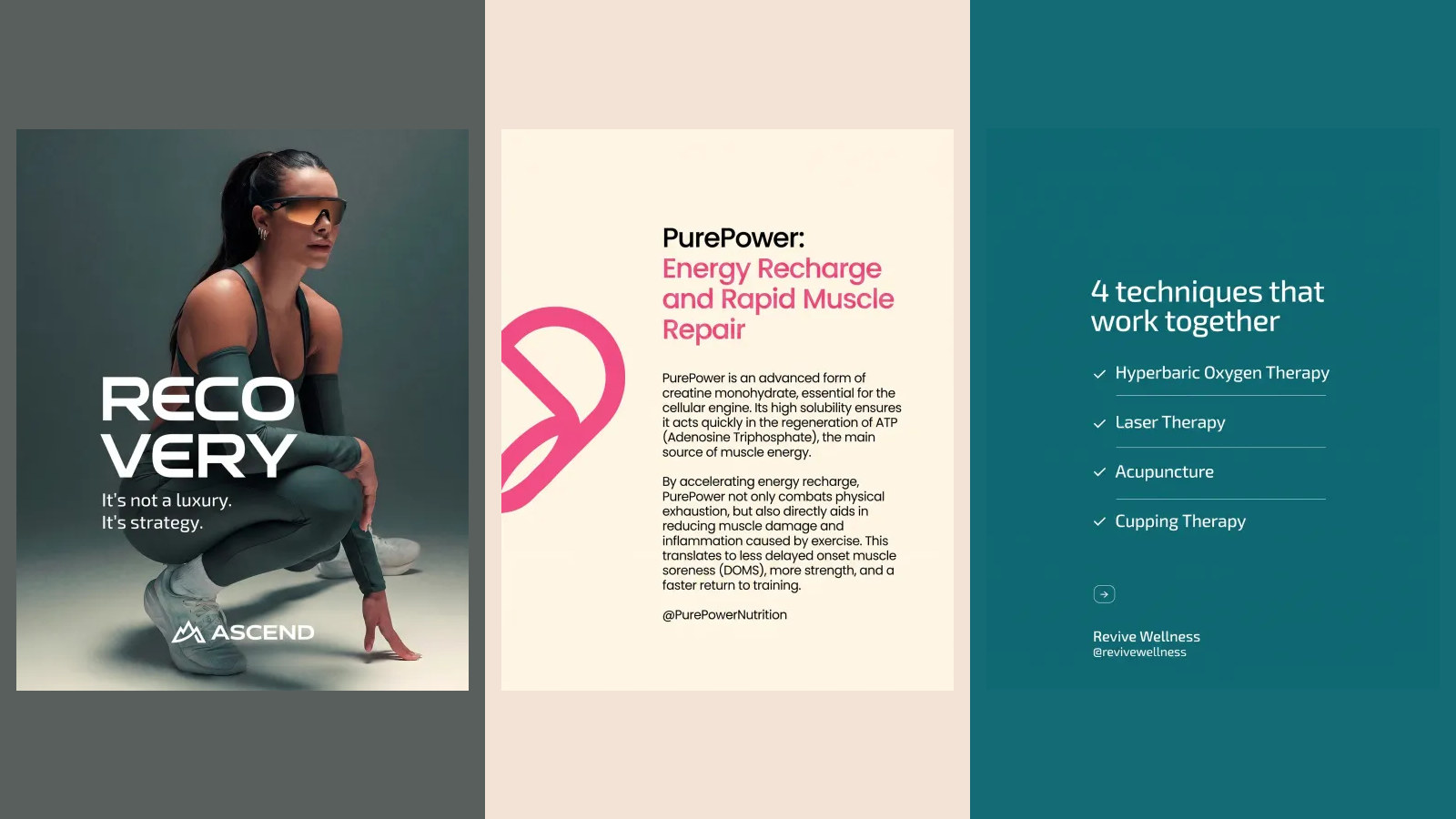
A gym has better raw material than almost any local business and spends it on the wrong audience. The feed is full of posts aimed at strangers who might join, when the people actually watching are the members who already did, and the difference between a gym that grows and one that churns is almost entirely about the second group. This article is about posting for the room you have: what fills a class on a Tuesday, what the before and after post legally has to say next to it, what you cannot claim a workout does, and the member in the background of the shot who never agreed to be in it.
Our articles are still written by humans!
Get human written articles in your Google feed.
What social media actually does for a gym
Three things, in order of how much money they are worth, which is the opposite of the order most gyms rank them in.
First, it keeps the members you have. A gym membership is cancelled by drift, not by decision: somebody stops coming for two weeks, feels awkward about going back, and the direct debit is the last thing to go. A feed that shows the six thirty class, the coach they know, and other people who also had two weeks off is the cheapest retention there is. Second, it is the reassurance a nervous beginner needs before walking in. Almost nobody joins a gym from an advertisement; they join after weeks of walking past and looking at the profile, and what they are looking for is whether they will be the least fit person there. Third, and a distant third, it reaches new people. It does, but slowly, and mostly through members sharing rather than through you posting.
The practical consequence is that the post which looks least like marketing is worth the most. A photograph of a full Tuesday class with the coach's name on it does all three jobs at once. A montage of anonymous ripped torsos does none of them, and quietly does damage to the third, because the person deciding whether they will be the least fit in the room has just been shown the answer.
The six posts that fill a class
- The class, named, with the time and who takes it. "Tuesday six thirty, Ivan, four spaces." This is the post. One or two of these a week is most of the strategy, and it is the only post that produces a booking the same day.
- What it costs. Membership, a single session, the trial. The most searched question about any gym and the one people are too embarrassed to ask at the desk. Publishing it filters the enquiries and doubles the quality of the ones you get.
- The person who takes the session. One coach, named, with what they are actually good at. People do not join gyms, they join coaches, and this is the post that gets screenshotted and sent to a friend.
- What happens in your first session. Where to park, what to wear, what the first ten minutes are, who will talk to you. The single most useful post a gym can make, aimed straight at the fear that keeps people outside.
- The member who is not remarkable. Somebody who has come twice a week for a year and is not a transformation. This is the post that keeps the room, because it is the only one where an ordinary member sees themselves.
- The result, with the truth next to it. Yes, post the twelve week block. Post it with what the block actually involved and what most people who finish it get, which is the section below and the reason this vertical is different from every other one on this blog.


The before and after, and the line that has to go with it
The transformation post is the best performing thing a gym publishes and the only one with a federal rule attached, and the rule is not the one most gyms think it is. The common belief is that adding results not typical to the caption makes the post safe. It does the opposite of that: it is the specific disclaimer the FTC names and rejects.
The Endorsement Guides, at 16 CFR 255.2, deal with consumer endorsements. Where an endorsement makes a claim about a central attribute of what you sell and you do not have substantiation that the endorser's experience is representative, the advertisement must clearly and conspicuously disclose the generally expected performance in the depicted circumstances. The regulation then addresses the workaround directly, saying that a disclosure such as results not typical, or one saying the testimonials are based on the experiences of a few people, is insufficient to prevent the advertisement from being deceptive. The stated reason is that the Commission tested both and neither changed what consumers took from the ad.
So the requirement is not a disclaimer. It is a number. If Ade lost fourteen kilos in twelve weeks and the typical person who finishes that block loses six, the post says six. In practice this is easier than the disclaimer, because you already know the answer and it makes a better post: a realistic figure attached to a real programme is more persuasive to somebody deciding whether to join than an extraordinary one they have already discounted. The extraordinary result sells to people who will not join. The typical result sells to people who will.

What you cannot say a workout does
The second rule is broader and gets less attention, because it does not feel like advertising when a coach writes it. In December 2022 the FTC issued its Health Products Compliance Guidance, which replaced the old dietary supplements guide and widened the scope beyond supplements to health related products generally, naming apps, equipment and diagnostic tests. It is written about products, and the standard it describes comes from the FTC Act, which reaches what you say about a service just as readily. That standard is competent and reliable scientific evidence for any health related claim, and it is explicit that for most such claims this means randomised controlled human clinical testing. Animal studies and mechanism arguments do not carry it.
Very little of what a gym publishes is a supplement advertisement, and a great deal of it is a health claim. This class fixes lower back pain. Our programme boosts your metabolism. Reverse your prediabetes in eight weeks. Cures the desk posture. These are written in good faith by coaches who have watched them appear to happen, and the good faith is not the test. If you are stating an outcome about a body, you need evidence of the kind the guidance describes, and a decade of watching clients is not it.
Rewriting them is not hard, and the honest version is usually the better post. Fixes lower back pain becomes a class built around hip and hamstring mobility, which is what people with desk backs usually come to us for. Boosts your metabolism becomes strength training twice a week, which is what we programme and why. You lose a promise nobody believed and gain a specific that sounds like somebody who knows what they are doing. If you sell supplements at the desk, the same guidance governs every word on the shelf talker, and there the enforcement history is real.
The member in the background
Every person in the background of a gym photograph came in to exercise, not to appear in an advertisement, and a gym floor is the place people are least willing to be photographed. It is a room where members are red faced, out of breath, wearing what they wear when nobody is looking, and frequently at the worst point in a physical journey they have not told anybody about. The person you would most want to reach with the post is the person most horrified to be in it.
The practical rules are short. Photograph sessions you organised, with the people who agreed to be in them, and not the room you happened to point a phone at. Ask before, not after; posting first and offering to take it down puts the member in the position of complaining. Shoot from angles that show a class rather than individuals, or shoot one named person up close. And a specific one that is worth more than the rest: never post a member's result without their explicit yes to that specific photograph on that specific day, even where they said yes six months ago, because a body is not a testimonial about a product, it is somebody's body.

The posts that do nothing
We have generated all of these for fitness customers and watched them do nothing, which is the only reason we are confident listing them.
- The motivational quote on a dark background. Every gym in the world posted this today, and it says only that you have the app.
- The anonymous montage of people lifting, cut to music. It reaches the already converted and tells the nervous beginner they are not welcome.
- The exercise demonstration nobody asked for. Your members are not watching your feed to learn a Romanian deadlift, and strangers watch a channel with a million subscribers for that.
- The new year push in the first week of January. Everybody is shouting. The post that works is the one on the third week of February when they have stopped coming.
- The equipment announcement. A photograph of a new rack matters to four members and no prospects.
- The transformation with no numbers, no programme and no typical result. It is the highest risk post you can make and it converts worse than the class timetable.
Which platform, and how often
Instagram first, because fitness is visual and because your members are there and stories are how you reach them daily without posting daily. Facebook second, same posts, because the local community group is where a forty five year old deciding to start again actually is, and that is a better customer than a nineteen year old. Your Google Business Profile third, same posts, because it is what search shows when somebody types gym near me. Two or three posts a week, one of which names a class and a time, plus stories whenever something is happening, is the whole schedule.

If the writing is what never happens between classes, that is what our product does from your own timetable and site, and what a chat model will do if you tell it what is on this week. On this vertical there is one instruction worth adding by hand whichever route you take: a model asked to write a post about a member's results will produce a confident health claim and an inspirational disclaimer, because that is what the internet it learned from is full of. It defaults to that register and has to be told the number instead.
Frequently asked questions
What should a gym post on social media?
The class with its time and coach, what it costs, the person taking the session, what happens in a first visit, an ordinary member rather than a transformation, and results with the typical outcome stated next to them. The class and time post is the only one that produces a booking the same day.
Can a gym post before and after photos?
Yes, with two conditions. The member has to agree to that specific photograph, and if the result is not representative the post has to disclose the generally expected result. The FTC states directly that a results not typical disclaimer is insufficient, so give the real average instead of a disclaimer.
What health claims can a personal trainer make in a post?
Only ones backed by competent and reliable scientific evidence, which the FTC's Health Products Compliance Guidance describes as randomised controlled human clinical testing for most health claims. Saying a class fixes back pain or boosts metabolism is a health claim. Describing what the class actually trains is not.
Do I need permission to photograph members in my gym?
Treat it as yes. Photograph sessions you organised with people who agreed, ask before rather than after, and never post a member's body without their explicit consent to that photograph. A gym floor is where people are least willing to be seen, and the person you most want to reach is the one most horrified to appear.
How often should a gym post on social media?
Two or three posts a week, at least one naming a class and a time, plus stories when something is happening. Instagram first, Facebook second with the same posts, Google Business Profile third. Consistency matters more than volume, and most of the value is retention rather than new members.
How we researched this
- The advice here comes from what works for local businesses whose customers are chosen within a few miles of home, which is the category this product is built for. Gyms differ from the rest of it in one respect that shapes the article: the audience is already inside the building. Most of what a gym gets from social media is retention, and most gyms post as though it were acquisition.
- The endorsement position is read from the FTC's Endorsement Guides as codified at 16 CFR 255.2, opened on 19 August 2026 and linked below. The claim that a results not typical disclaimer is insufficient is not our characterisation; the regulation says so in those words and explains that the Commission's own testing is the reason.
- The health claims position is read from the FTC's Health Products Compliance Guidance, issued December 2022, which replaced the 1998 dietary supplements guide and widened the scope beyond supplements to health related products generally, naming apps, equipment and diagnostic tests. The guidance is written about products; the substantiation standard it describes comes from the FTC Act, which reaches claims about services too. Neither is legal advice and state law can be stricter.
- The posts we tell you to skip are posts we have generated ourselves for fitness customers and watched do nothing. Being able to say which of our own drafts failed is the only qualification we claim for that list.
- The finished posts shown were made by our own product for a gym we invented, from briefs we wrote by hand. We sell the tool that made them and that is disclosed where it becomes relevant.
Sources